
Dr. Susan Miller, PhD, Assistant Professor
Department of Occupational Safety and Health, Murray State University, Murray, KY
Dr. Julia Boyd, PhD, Assistant Professor
Department of Occupational Safety and Health, Murray State University, Murray, KY
Dr. Traci Byrd, PhD, Department Chair, Associate Professor
Department of Occupational Safety and Health, Murray State University, Murray, KYThe objective of this study is to examine ergonomic risk associated with routine, non-fireground activities performed by firefighters and to identify tasks most strongly associated with musculoskeletal disorders (MSDs). While prior research has largely focused on fireground operations, a substantial portion of firefighter injuries occur during daily station activities that involve repetitive motion, awkward postures, and manual material handling. This study employed a mixed-methods approach combining self-reported symptom data and AI-based ergonomic assessment to evaluate risk exposure during non-emergency tasks.
Within this study, a total of 10 routine, non-fireground activities were evaluated using Rapid Entire Body Assessment (REBA) implemented through AI-based digital human modeling software (TuMeke). Self-reported musculoskeletal symptoms were collected using the Nordic Musculoskeletal Questionnaire, along with demographic and work-history data. Multinomial logistic regression was used to examine relationships between reported symptoms and modeled ergonomic risk classifications.
Results demonstrated strong alignment between the most frequently identified REBA high-risk areas and the most commonly self-reported musculoskeletal symptoms, with upper arms and trunk most frequently associated with shoulder and lower back pain. Non-fireground activities pose a significant risk for MSDs among firefighters during routine station tasks (e.g., ladder access, fire engine inspection, etc.). These findings demonstrate that routine, non-fireground activities represent a significant source of musculoskeletal risk for firefighters and highlight the combined influence of task demands and fire apparatus design on injury risk.
KEY WORDS: musculoskeletal disorders, occupational safety and health, ergonomics, firefighters, human modeling, artificial intelligence risk assessment
1. Introduction
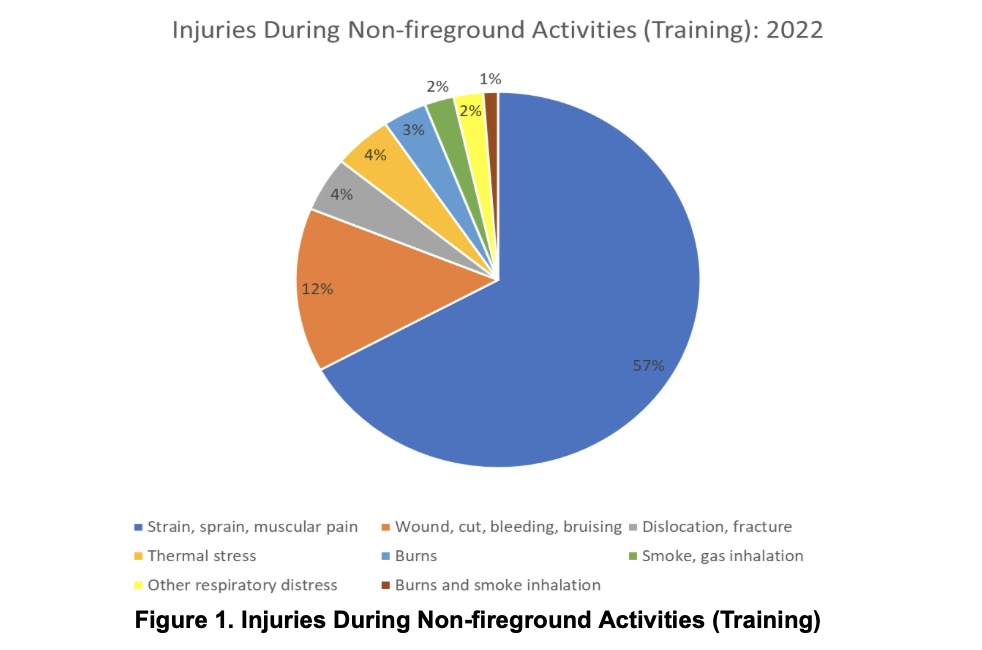
In 2022, the National Fire Protection Association (NFPA) identified musculoskeletal injuries, including strains, sprains, and muscular pain, as a leading cause of firefighter injuries, accounting for 57% of non-fireground injuries and 36% of fireground injuries (Campbell and Hall, 2023). According to the Bureau of Labor Statistics (BLS), in 2016, firefighters experienced musculoskeletal disorder (MSD) rates that far exceeded the national average. A study conducted on MSDs among California firefighters revealed a notably higher incidence of MSDs compared to other high-risk occupations (Dworsky, Seabury, and Broten, 2021). The researchers concluded MSDs constituted 47% of firefighter injuries, surpassing the rates of 38% for law enforcement and 42% for other public sector workers. Identifying specific musculoskeletal injury triggers and movements during training and other non-fireground tasks is crucial for minimizing MSDs. These MSD injury rates are clearly depicted in Fig. 1. These findings underscore the significant physical demands placed on firefighters and the persistent risk of injury associated with both emergency and routine occupational tasks.
While much of the existing research has focused on fireground operations, a significant number of firefighter injuries occur during routine, non-fireground activities, such as equipment handling, apparatus access, inspections, and daily station tasks. Fireground operations are defined by the NFPA 1710 standard as “organized, safe, and effective deployment of resources for fire suppression, emergency medical services, and special operations to protect the public and ensure firefighter safety” (NFPA, 2020). These activities are performed repeatedly throughout each shift, often under time constraints, and commonly involve awkward postures, repetitive movements, and the manual handling of heavy equipment (Tahernejad et al., 2024). Despite their frequency and physical demands, non-fireground tasks have received comparatively less ergonomic attention, even though their cumulative impact may play a substantial role in the development of MSDs.
Ergonomic assessment tools have long been used to evaluate risk factors associated with musculoskeletal injury. However, traditional observational methods can be time-intensive and subject to variability between evaluators. Advances in digital human modeling and artificial intelligence have introduced new opportunities to assess ergonomic risk in a more consistent and objective manner. These technologies allow for posture-based analysis and standardized risk scoring, offering an efficient approach for evaluating physically demanding tasks.
To evaluate ergonomic risk, several assessment tools have been developed and widely applied across occupational settings, including the Rapid Upper Limb Assessment (RULA), the Ovako Working Posture Analysis System (OWAS), and the Rapid Entire Body Assessment (REBA). These tools provide structured methods for evaluating postural load, movement patterns, force exertion, and task repetition. Among them, REBA is particularly well suited for assessing dynamic, whole-body tasks and has been widely validated for use in physically demanding work environments, including emergency response occupations (Middleworth, 2019; Sadeghi et al., 2019).
REBA was developed to “rapidly” evaluate MSDs associated with specific job tasks. The REBA tool (Fig. 2) uses a systematic process to evaluate both upper and lower parts of the musculoskeletal system for biomechanical and MSD risks associated with the job task being evaluated. The single-page worksheet can be used to evaluate required or selected body posture, forceful exertions, type of movement or action, repetition, and coupling. The output of the tool is the final REBA score, a single value that represents the level of MSD risk for the job task being evaluated. The minimum REBA score = 1, and the maximum REBA score = 15. Table 1 outlines the REBA levels of MSD risk descriptions and cut points.
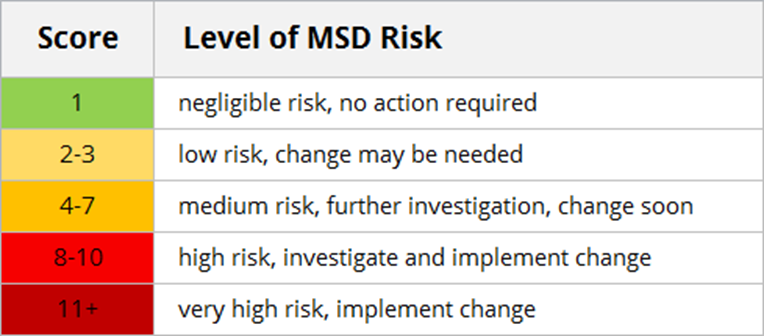
Table 1: Rapid Entire Body Assessment (REBA) Score Reference
Despite advances in ergonomic assessment methods, AI-based tools have rarely been applied to routine, non-fireground firefighter activities, and limited work has examined how objectively measured ergonomic risk aligns with firefighters’ self-reported musculoskeletal symptoms. This gap restricts the ability to accurately characterize risk exposure and prioritize effective prevention strategies.
Accordingly, this study applies AI-based digital human modeling to evaluate ergonomic risk associated with routine, non-fireground firefighter tasks and examines its relationship with self-reported musculoskeletal symptoms. By integrating automated ergonomic assessment with standardized symptom reporting, this study provides a novel approach for identifying high-risk tasks and informing targeted ergonomic and injury-prevention efforts within the fire service.
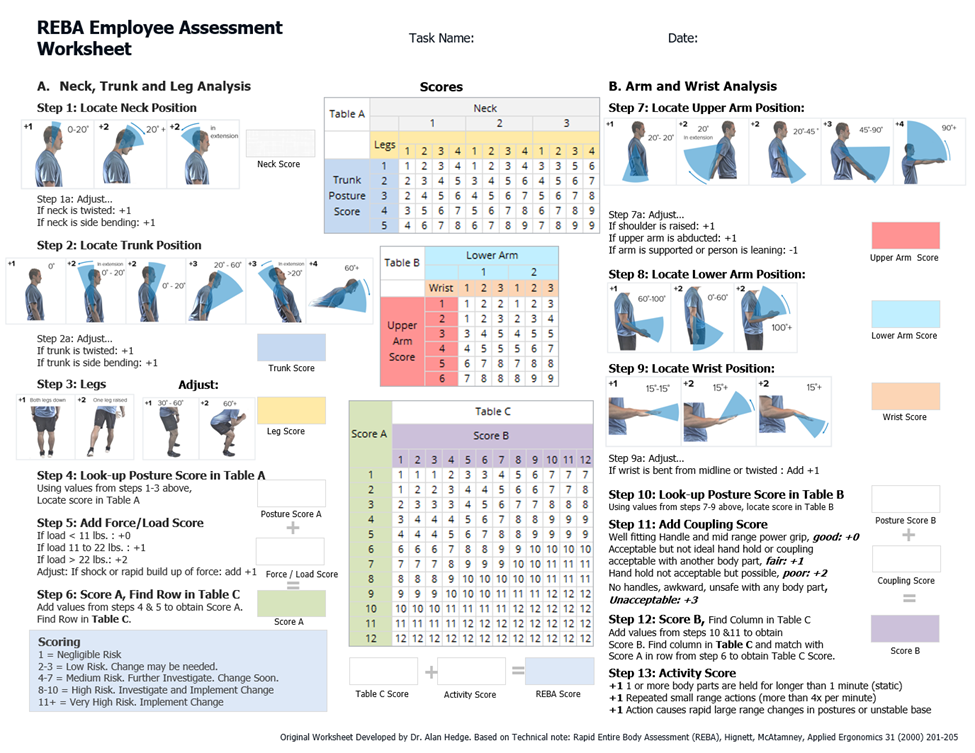
Fig. 2: Rapid Entire Body Assessment (REBA) Worksheet
2. Literature Review
The primary aim of this study is to examine ergonomic risk factors associated with routine, non-fireground activities that may contribute to MSDs among firefighters. Although fireground operations have traditionally received the greatest attention in injury research, a growing body of evidence indicates a substantial portion of firefighter injuries occur during non-emergency tasks performed as part of daily station operations. These activities often involve physical workload demands that, over time, may contribute to the development of both acute and chronic musculoskeletal conditions.
The researchers observed 10 everyday non-fireground tasks and analyzed each for factors that could lead to both short and long term MSDs. Understanding the ergonomic risks associated with these routing tasks is essential for guiding effective prevention strategies and work practices and improving long-term occupational health outcomes.
Work-related MSDs are defined by the Centers for Disease Control and Prevention (2023) as injuries to the body’s musculoskeletal system, including the joints, ligaments, muscles, and tendons. These conditions often result from prolonged overuse, repetitive strain, or sudden exertion that causes wear and tear on muscles, tendons, and sensitive nerve tissues. Common occupational risk factors include prolonged or repeated manual handling, static or constrained postures, repetitive motion, vibration exposure, and contact stress. These risk factors are particularly relevant in firefighting, where workers frequently perform physically demanding tasks under time pressure and in environments that limit optimal body positioning. Ergonomic assessment tools have therefore been widely used to evaluate exposure to these risk factors and to identify tasks associated with elevated injury risk (NIOSH, 2019).
2.1 Prevalence of MSDs in Firefighters
Firefighters are consistently identified as one of the occupational groups at highest risk for MSDs. Systematic reviews and large-scale epidemiological studies demonstrate MSDs are common among firefighters. A recent meta-analysis reported an overall MSD prevalence of approximately 46% among firefighters, with the lower back, shoulders, knees, and lower extremities most frequently affected (Tahernejad et al., 2024). Similar findings have been reported across national and regional studies, which consistently show higher rates of musculoskeletal symptoms among firefighters compared to other occupational groups (Khoshakhlagh et al., 2024; Nazari, MacDermid, and Cramm, 2020; Negm et al., 2017). These conditions contribute to increased lost work days, restricted duty, and workers’ compensation claims.
The high prevalence of MSDs in this population has been attributed to the physical demands inherent in firefighting, including repetitive lifting, manual handling of heavy equipment, awkward or constrained postures, and frequent transitions between tasks. Kodom-Wiredu (2019) reported a significant association between increasing work demands, task characteristics, and the occurrence of work-related MSDs among firefighters. As workload intensity increases, so does the likelihood of musculoskeletal symptoms, reflecting the cumulative nature of occupational exposure in this profession. Over time, the cumulative effect of these physical demands can lead to persistent discomfort, reduced functional capacity, and increased absenteeism, further highlighting the importance of identifying and mitigating ergonomic risk factors within the fire service.
Large-scale injury surveillance data further underscore the magnitude of this issue. Quinn et al. (2023), in an analysis of more than 33,000 workers’ compensation claims filed by Ohio firefighters over a 16-year period, identified overexertion and bodily reaction injuries, primarily involving lifting, pulling, and carrying, as the leading causes of injury. The majority of claimants were male firefighters aged 25 to 54, reflecting the demographic makeup of the firefighting workforce during the study period. The leading injury events were overexertion involving external sources, such as lifting, pulling, or carrying heavy objects. These events most frequently resulted in sprains to the back, lower extremities, and upper extremities, highlighting the cumulative physical strain associated with firefighting tasks. Overall, the findings point to key priority areas for injury-prevention initiatives, including improved ergonomic practices, safer handling techniques, and enhanced situational awareness.
Similar trends were reported by Anderson et al. (2023), who analyzed workers’ compensation data from Washington state and found significantly higher injury and illness claim rates among firefighters compared to law enforcement and other occupational groups. Washington’s workers’ compensation data from 2006 to 2020 showed significantly higher compensable claim rates among firefighters than among law enforcement officers and all other workers. Nearly 40% of firefighters’ claims were work-related MSDs, which occurred far more frequently than in comparison groups and often resulted from lifting and transporting patients, using firefighting tools and equipment, or performing physical training. Claim patterns over time revealed overall declines in work-related MSD rates across all groups, although firefighters consistently had the highest rates. These findings underscore the physically demanding and hazardous nature of firefighting and emphasize the need for targeted prevention strategies, particularly those addressing WMSDs, within risk-management frameworks that support safer material handling, improved ergonomics, and broader hazard-control practices.
Collectively, these findings demonstrate MSDs remain a dominant source of injury among firefighters and are strongly associated with the physical demands of both emergency and routine work activities. The literature further suggests many of these injuries result from cumulative exposure rather than isolated events, underscoring the need to identify high-risk tasks and implement targeted ergonomic interventions. Despite this, relatively limited research has systematically evaluated non-fireground activities using objective ergonomic assessment methods capable of capturing posture, movement, and task demands in real-world settings.
2.2 Nordic Questionnaire
The Nordic Questionnaire is an indirect assessment tool designed to identify musculoskeletal symptoms through a standardized set of questions (López-Aragón et al., 2017). It is one of the most widely used ergonomic questionnaires globally and focuses on symptoms affecting the neck, back, shoulders, and extremities (López-Aragón et al., 2017). This tool is commonly applied across various occupational sectors, including manufacturing, agriculture, livestock, fishing, and forestry (López-Aragón et al., 2017).
The first section of the questionnaire evaluates symptoms in nine body regions—neck, shoulders, elbows, wrists/hands, upper back, lower back, hips/thighs, knees, and ankles/feet—both over the past seven days and in the past 12 months (López-Aragón et al., 2017). The second section targets the neck, shoulders, and lower back, addressing symptom history over the employee’s work career as well as within the previous seven days (López-Aragón et al., 2017). All questions use a simple “yes” or “no” response format to streamline the interview process (Namwongsa et al., 2018).
The Nordic Questionnaire is frequently used in combination with other ergonomic assessment tools such as REBA (Koohpaei et al., 2017; López-Aragón et al., 2017).
Advantages:
- Simple, standardized response format
- Validated tool
- Increasingly used
- Widely applied worldwide
- Does not consider demographic factors
- May underreport symptoms among physically fit individuals
- Does not identify sources of symptoms
The REBA method evaluates the risk of MSDs by analyzing posture in the upper and lower bodies during work tasks (Middleworth, 2019). It was explicitly designed to assess whole-body postural demands in various job activities (Middleworth, 2019). REBA examines six body regions but also incorporates measures of grip and load coupling (Berlin and Adams, 2017). This method may be applied through direct observation, photographs, or video recordings (Middleworth, 2019). Entire body angles are evaluated and scored based on the degree of deviation observed in the area being assessed.
Its scoring system enables evaluators to assess both static and dynamic postures while accounting for coupling quality. Assessments can be conducted in real time or through photos and video recordings for later review (Berlin and Adams, 2017). The final score reflects the urgency with which ergonomic hazards should be addressed (Berlin and Adams, 2017). The scoring system is broken into five categories (Middleworth, 2019):
- Score 1: Negligible risk
- Score 2-3: Low risk, change may be needed
- Score 4-7: Medium risk, further investigate, change soon
- Score 5-10: High risk, investigate and implement change
- Score 11+: Very high risk, implement change
Advantages:
- User-friendly
- Straightforward to interpret
- Includes measures of grip and coupling
- More effective than RULA for evaluating tasks with moderate physical demands
- Measures effort intensity
Disadvantages:
- May underestimate very high-risk tasks
- Must be performed twice because each side of the body is assessed separately
- Only measures individual postures, not a set of sequential postures during a task
- Task evaluations should be completed by occupational safety and health individuals familiar with the task at hand
- Duration of exposure and frequency of postures throughout the working day are not considered
- Does not take into account unfavorable conditions (temperature and/or relative humidity)
2.4 Overcoming Individual Assessment Disadvantages
The researchers overcame the disadvantages identified with each of the above assessment tools by utilizing a combination approach. By choosing a blend of the aforementioned qualitative, semi-qualitative, and quantitative methods, this allowed one assessment tool’s strengths to offset another method's weaknesses.
3. Methodology
The population chosen for the study was a local municipality fire station. This study included 17 full-time firefighters of diverse demographics, including age, years of service, etc. The purpose of this study was to complete a thorough ergonomic assessment of firefighters. At the same time, they perform routine, daily non-fireground activities at the fire station during the shift to determine their likelihood of MSDs.
The research methodology incorporated a blend of qualitative and quantitative techniques to identify tasks within this process exhibiting characteristics associated with significant ergonomic risk. The research methodology incorporated a blend of qualitative, semi-quantitative, and quantitative techniques to identify tasks within this process exhibiting characteristics associated with significant ergonomic risk. The qualitative aspect involves conducting standardized interviews with firefighters about musculoskeletal symptoms across various body regions.
This study protocol underwent extensive review by the Institutional Review Board (IRB) at Murray State University. The demographic questions, confidentiality, and any legal or liability concerns were addressed. Those involved with this study completed IRB training in relation to human subjects. The IRB approval number is 25-031.
3.1 Survey Questionnaire
The researchers administered the participant survey one-on-one to reduce potential bias introduced by the presence of other participants. The 17 full-time firefighters completed a demographic survey to support qualitative analysis, insights into participants' anthropometric wellness data, and work history. The survey data acquired provided additional information to better understand the correlations revealed by the statistical analysis of the quantitative data collected.
The demographic questions asked of the participants were the following:
- What is your age demographic?
- What was your sex at birth?
- What is your current weight?
- What is your height?
- How much sleep do you get on average per night?
- Do you exercise regularly? If so, how many hours/week?
- Average number of hours you work per week?
- Do you currently have back pain? If so, answer the following questions:
- How long have you had back pain?
- Do you feel this back pain is work-related?
- Does this pain interfere with your work?
- Does this pain interfere with your ability to sleep?
- Climb into the fire engine cab.
- Climb out of the fire engine cab.
- Remove the fire extinguisher (25 pounds) from the compartment on the fire engine.
- Remove extrication equipment (50 pounds) from the compartment on the fire engine.
- Remove ladder (40 pounds) from the compartment on the fire engine.
- Climb to the top of the fire engine and inspect the water level.
- Remove SCBA air pack from fire engine cab for daily inspection.
- Don SCBA air pack for daily inspection.
- Walk truck ladder for inspection.
- Remove high-rise hose packs from the compartment on the fire engine.
3.2 Nordic Questionnaire
The Nordic Questionnaire, a commonly employed ergonomic tool, consists of a series of questions addressing nine specific regions of the body. It comprises 28 multiple-choice questions with "yes" or "no" responses, inquiring about any pain experienced in these regions over the past 12 months or seven days (López-Aragón et al., 2017).
3.3 Digital Human Modeling Software
The researchers used a quantitative approach, applying REBA with the digital human modeling software TuMeke. This method was chosen based on scholarly evidence indicating its preference for assessing whole-body posture and ensuring consistent outcomes (Middleworth, 2019; Sadeghi et al., 2019). The quantitative approach selected uses the AI tool with digital human modeling, employing an advanced ergonomic risk assessment platform, as illustrated in Figs. 3 and 4. The researchers affirm that there are no funding issues or conflicts of interest associated with the chosen technology.
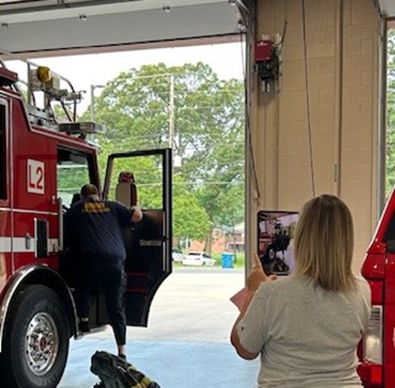
Fig. 3: Procedure of Recording Task for AI-HUman Modeling Assessment
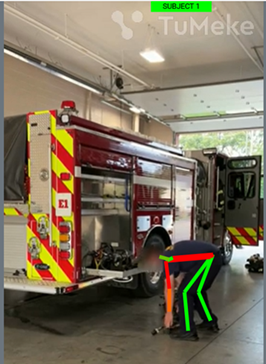
Fig. 4: Biomodeling software conducting REBA from uploaded video
The population chosen for the study was a local municipality fire station. This study included 17 full-time firefighters of diverse demographics, including age, years of service, etc. The purpose of this study is to complete a thorough ergonomic assessment of firefighters. At the same time, they performed routine, daily non-fireground activities at the fire station during the shift to determine their likelihood of MSDs. The 10 activities observed and assessed on the 17 firefighters were:
4.1 Demographic Survey Results
According to the demographic survey, participants ranged in age from 19 to 50 years old. The age distribution was as follows: 29.41% were between 18 to 25 years old, 47.06% were 26 to 35 years old, 17.76% were 36 to 45 years old, and 5.88% were over 45 years old. The mean age was 31.06 years. The average participant weight was 208.82 pounds, with an average BMI of 29.29. All participants were male. On average, participants reported sleeping 6.88 hours per day, exercising 4.53 hours per week, and working 60.35 hours per week—some of which included second jobs to supplement income. Firefighting experience ranged from one month to 18 years, with an average of 4.25 years.
4.2 Nordic Questionnaire Results
Using the Nordic Questionnaire, 70.58% of participants reported experiencing musculoskeletal symptoms in one or more areas, including the neck, shoulders, elbows, wrists/hands, back, hips, knees, or ankles. Of those reporting MSD symptoms, 35.29% were within the 26 to 35 age range. The most commonly affected area was the lower back, with 28.125% of participants reporting pain in the past 12 months. The second most frequently reported area was the shoulder, with 21.875% indicating shoulder pain during the same time period. Table 2 summarizes the participants’ reports of body areas affected by pain within the past year.
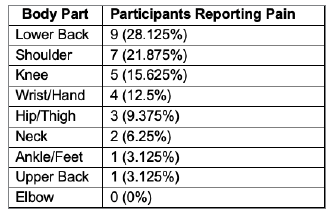
Table 2: Participants Reporting Pain via Nordic Questionnaire
4.3 Statistical Analysis
A binomial logistic regression was conducted to determine the influence of age, weight, BMI, and years of firefighting experience on the likelihood of participants reporting musculoskeletal symptoms. The overall model was statistically significant, χ²(4) = 15.188, p < .0005, indicating that the predictors reliably distinguished between those with and without symptoms. All four variables, age, weight, BMI, and years of firefighting experience were statistically significant contributors to the model. Results showed that increased age, greater weight, and more years in the firefighting profession were associated with a higher likelihood of reporting musculoskeletal symptoms. In contrast, a lower BMI was associated with a lower likelihood of experiencing such symptoms.
4.4 Biomodeling Software REBA Results
Figure 5 presents a visual comparison of the REBA scores across all tasks. A comparison of REBA scores for the 10 pre-selected, non-fireground activities indicated that Task 4, removing extrication equipment (Fig. 6), had the highest overall score at 9.06. This task, along with Task 9, walking the ladder truck ladder (Fig. 7), with a score of 8.76, and Task 6, climbing to the top of the fire engine to inspect the water level (Fig. 8), with a score of 8.12, were classified as “high risk,” falling within the REBA high-risk range of 8 to 10. These activities warrant further investigation and ergonomic interventions to reduce risk levels.
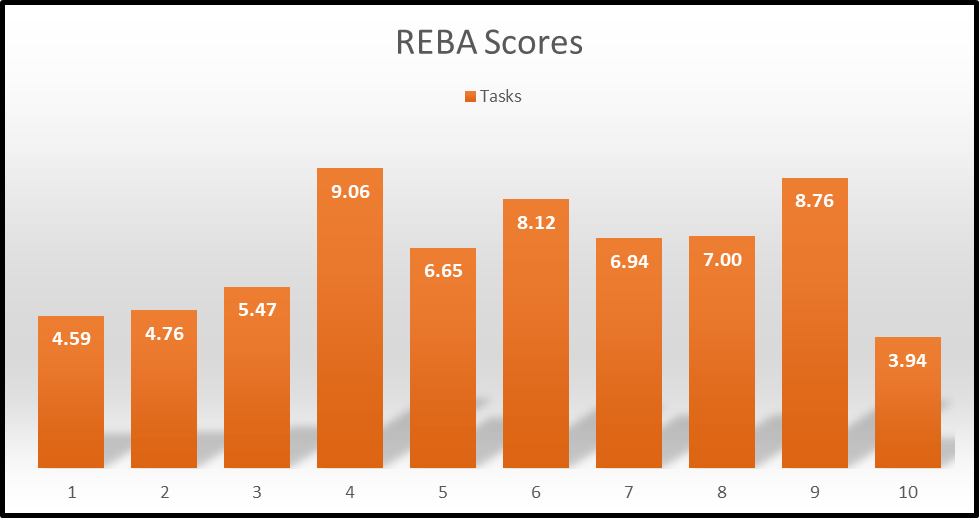
Fig. 5: REBA Scores for 10 Non-Fireground Activities
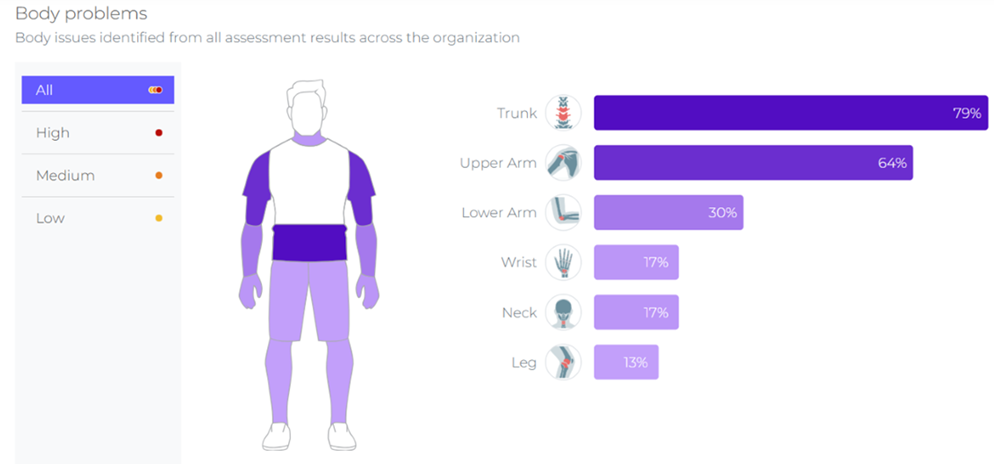
Fig. 6: Task 4 (Remove Extrication Equipment) Overall Body Problems, REBA Score + 9.06
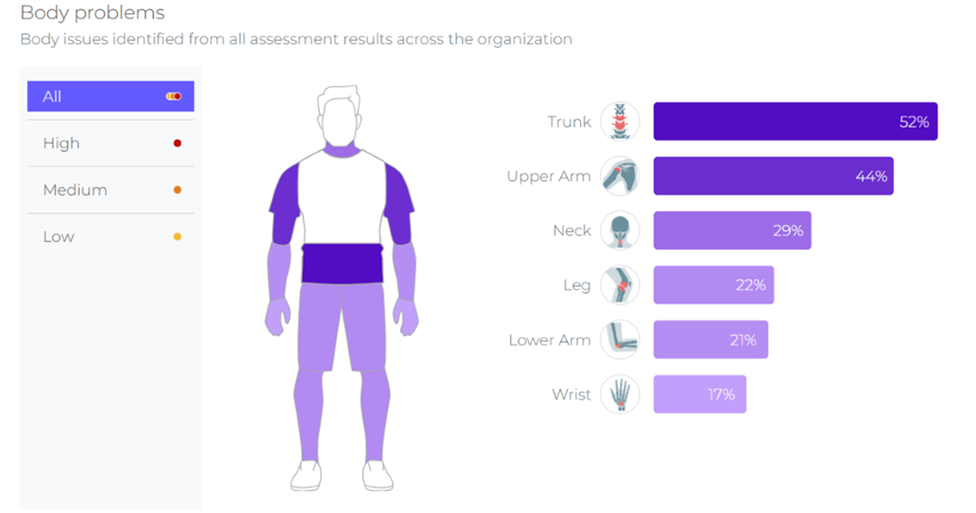
Fig. 7: Task 9 (Walk Ladder Truck Ladder) Overall Body Problems, REBA Score = 8.76
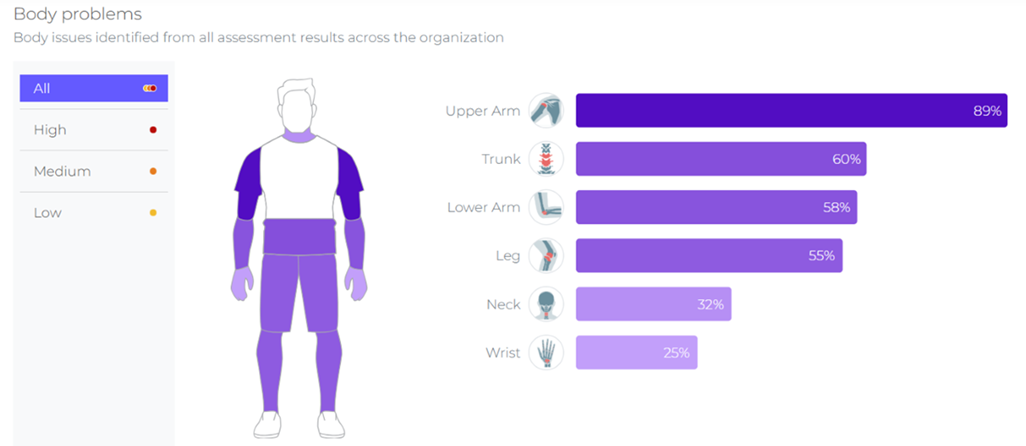
Fig. 8: Task 6 (Climb/Inspect Water Level) Overall Body Problems, REBA Score = 8.12
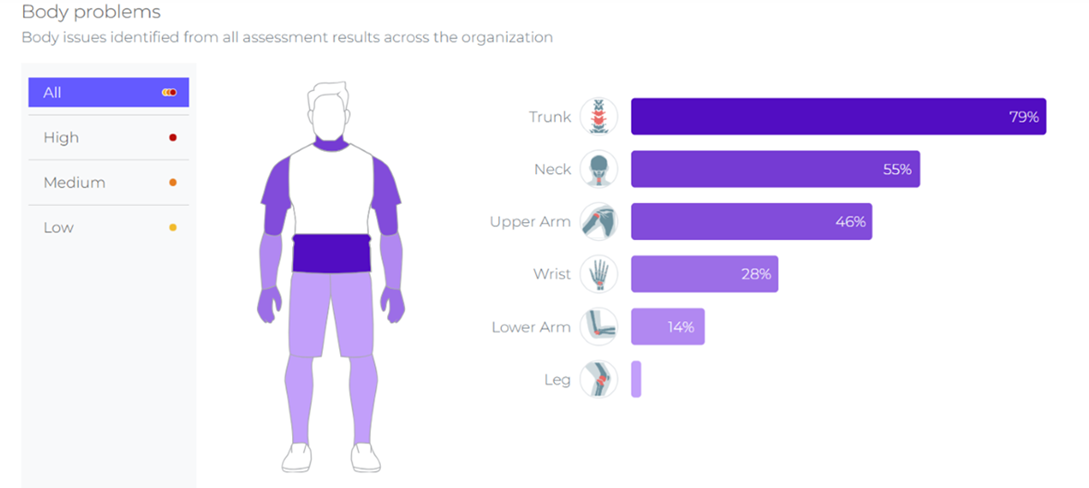
Fig. 9: Task 8 (Don SCBA Air Pack) Overall Body Problems, REBA Score = 7
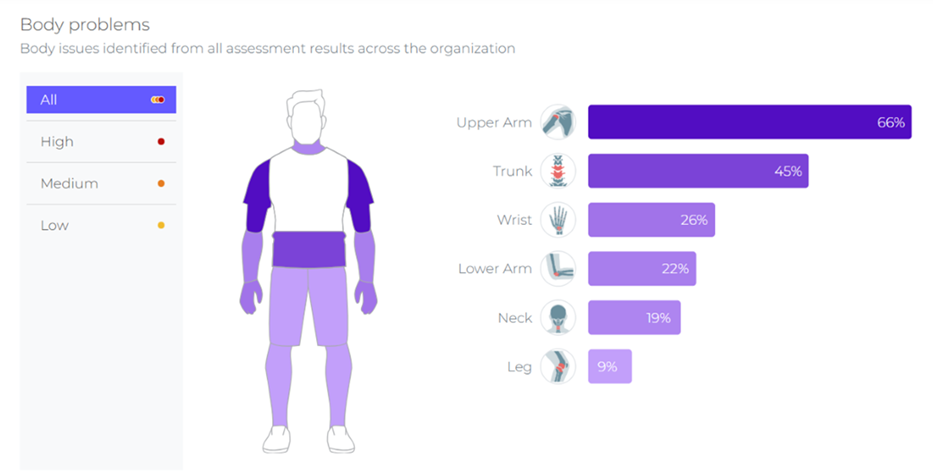
Fig. 10: Task 7 (Remove SCBA Air PAck from Fire Engine Cab) Overall Body Problems REBA Score = 6.94
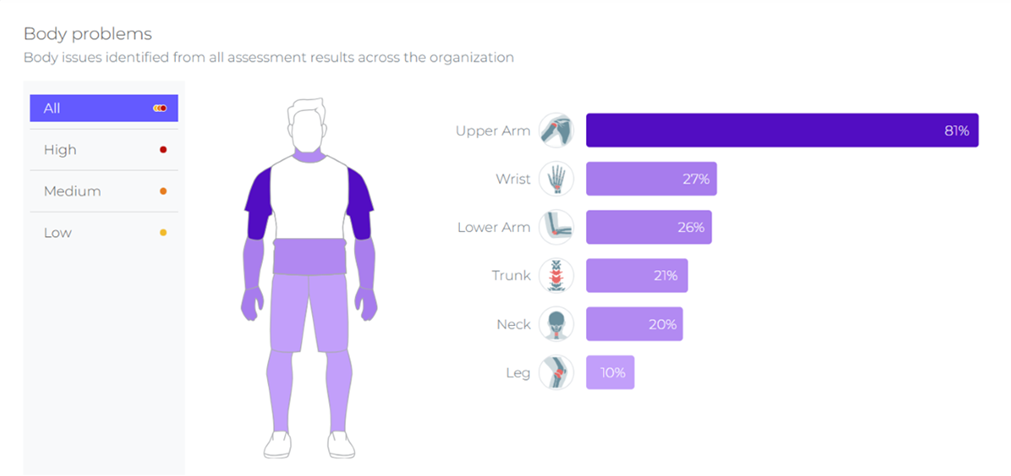
Fig. 11: Task 5 (Remove Ladder) Overall Body Problems, REBA Score = 6.65
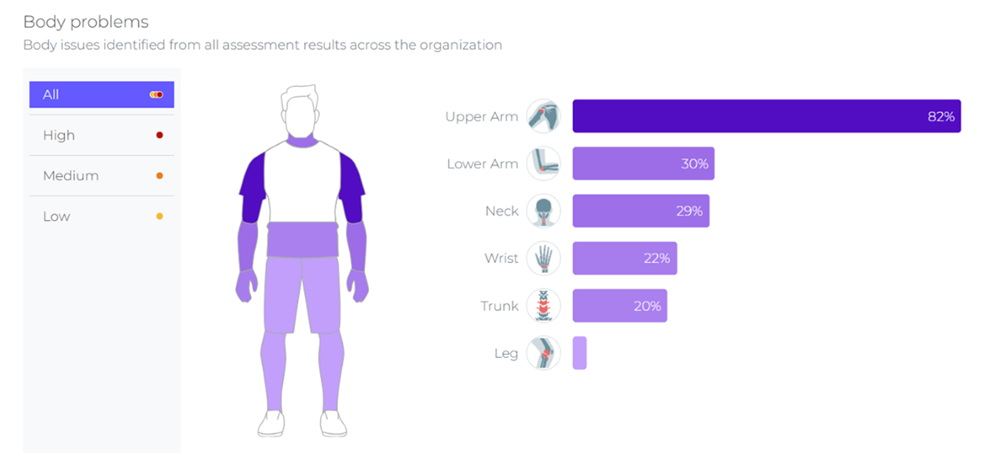
Fig. 12: Task 3 (Remove Fire Extinguisher) Overall Body Problems, REBA Score = 5.47
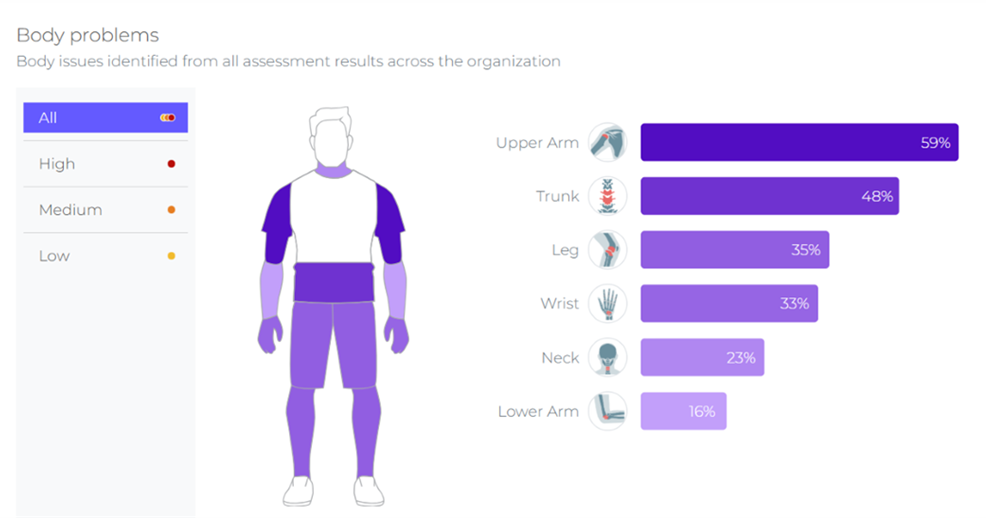
Fig. 13: Task 2 (Climb Out of Fire Engine) Overall Body Problems, REBA Score = 4.76
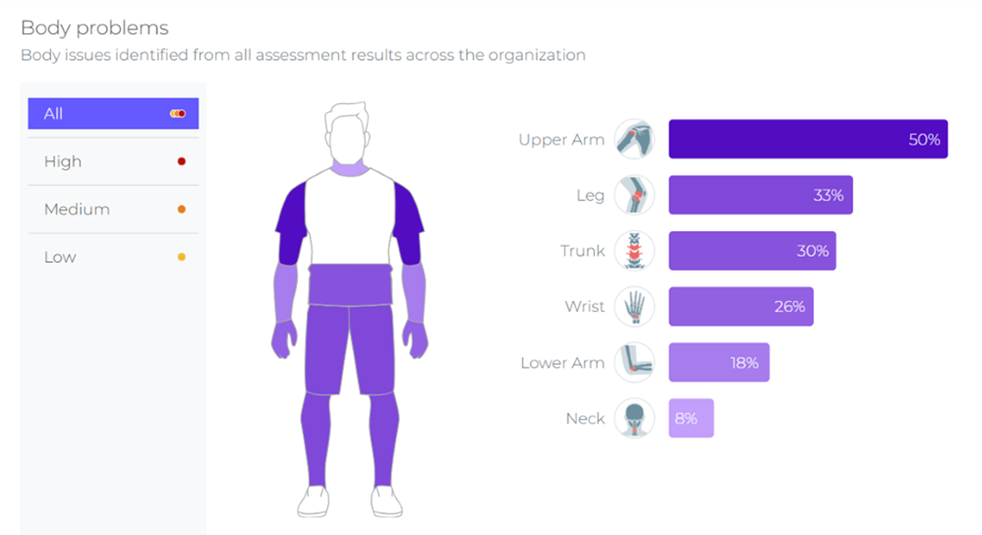
Fig. 14: Task 1 (Climb into Fire Engine) Overall Body Problems, REBA Score = 4.59
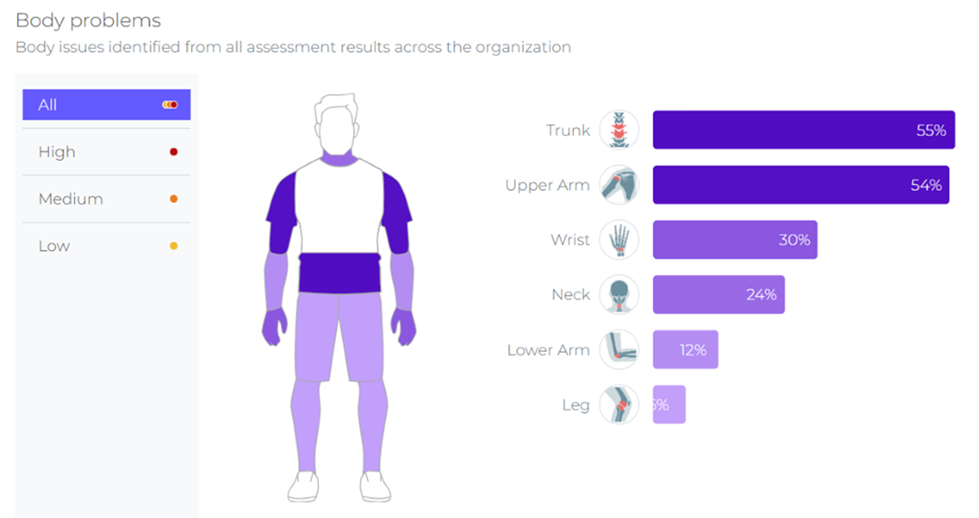
Fig. 15: Task 10 (Remove High Rise Hoses) Overall Body Problems, REBA Score = 3.94
Most of the other tasks were categorized as “medium risk,” with REBA scores ranging from 4 to 7. Specifically, Task 8, putting on the SCBA air pack (Fig. 9), scored 7.00, and Task 7, removing the SCBA air pack (Fig. 10), scored 6.94. Task 5, removing a ladder (Fig. 11), scored 6.65, and Task 3, removing a fire extinguisher from a compartment (Fig. 12), scored 5.47. Task 2, climbing out of the fire engine cab (Fig. 13), scored 4.76. Finally, Task 1, climbing into the fire engine cab (Fig. 14), scored 4.59. These medium-risk activities warrant further investigation and changes soon.
The only task categorized as “low risk,” with a REBA score between 2 and 3, was Task 10, removing high-rise hose packs (Fig. 15), which scored 3.94. Low-risk REBA scores such as this task indicate that change may be needed.
The researchers then analyzed how frequently each body part was identified as a high-risk area based on the REBA scores. As shown in Table 3, the upper arms were flagged most often, accounting for 42.59% of high-risk identifications, followed by the trunk at 30.04%. When compared with the self-reported painful body part areas in Table 2, the researchers found a strong alignment: the most frequently identified REBA risk areas, the upper arms and trunk, closely corresponded to the most commonly reported pain sites among firefighters in the Nordic Questionnaire, specifically the shoulders and lower back.
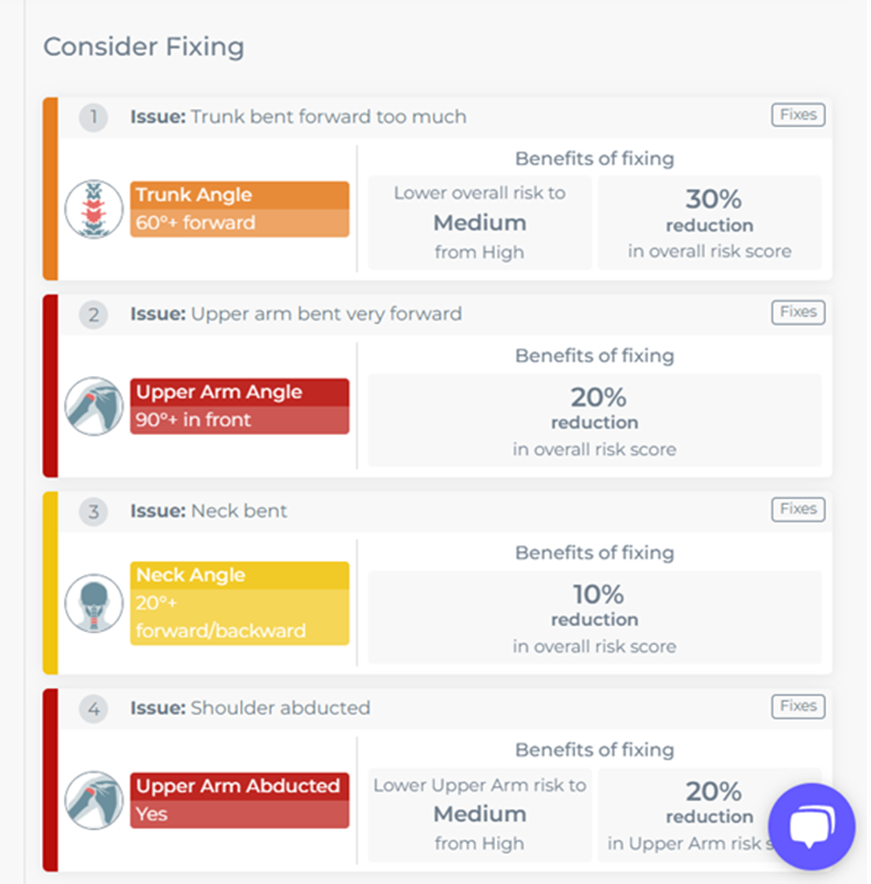
Fig. 16: Recommended Corrective Actions for Task 4, Remove Extrication Equipment
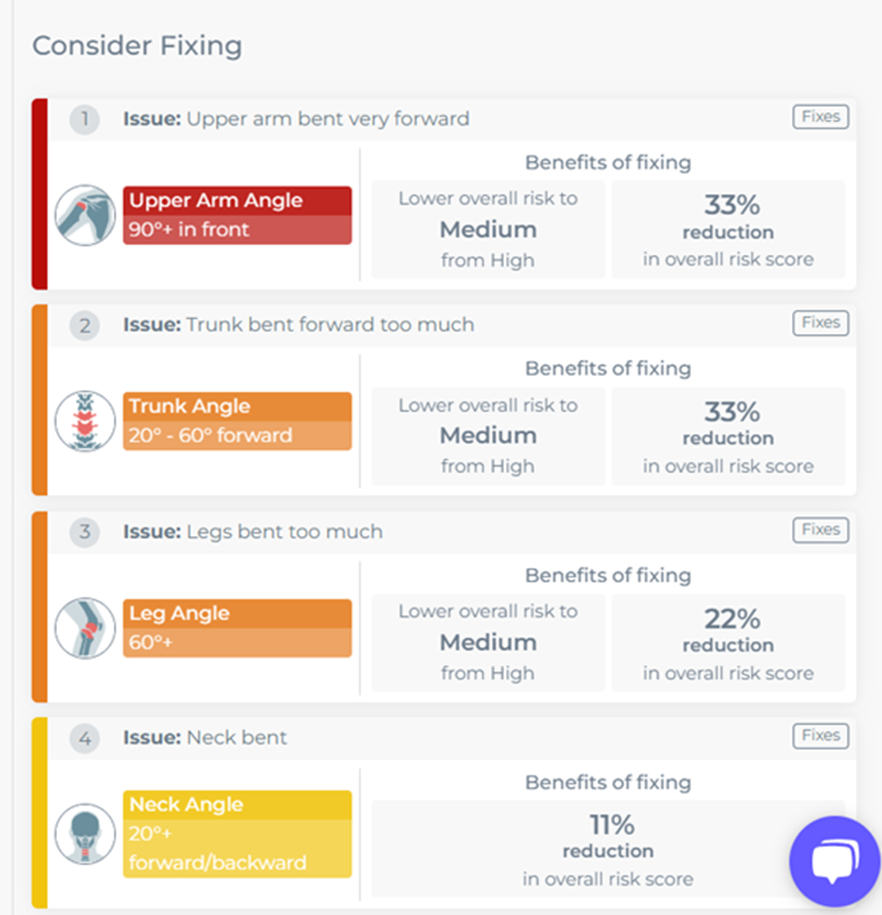
Fig. 17: Recommended Corrective Actions for Task 9, Walk Ladder Truck Ladder
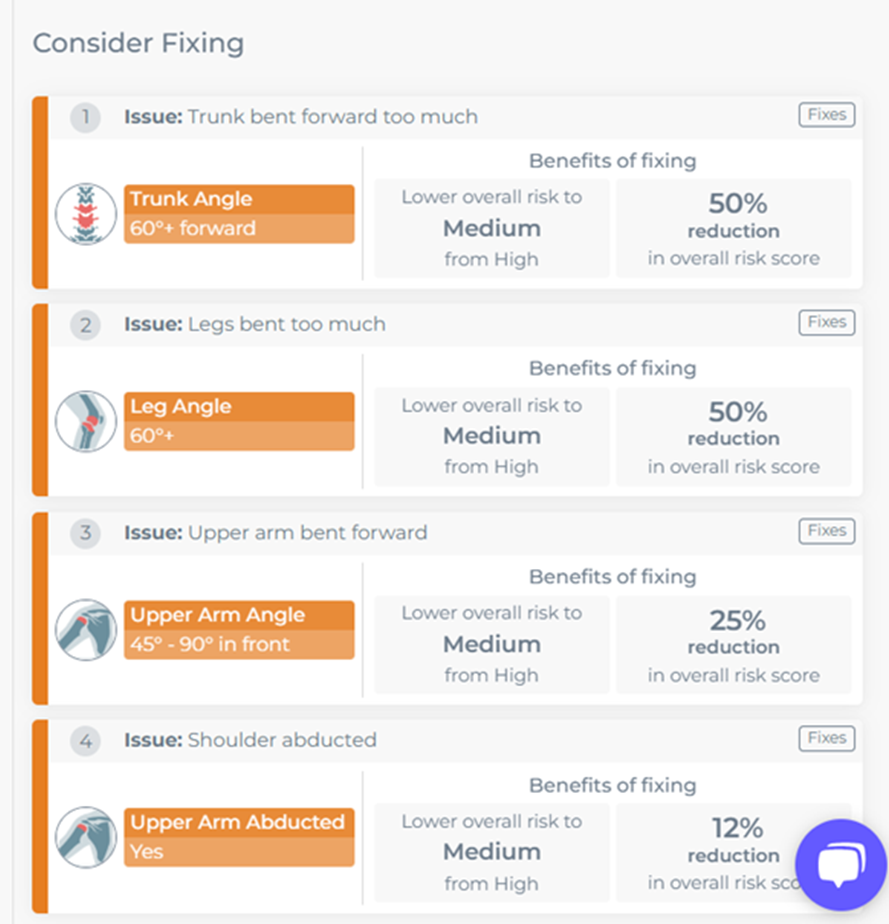
Fig. 18: Recommended Corrrective Actions for Task 6, Climb/Inspect Water Level
Biomodeling software also generated recommendations to help address identified problem areas. For Task 4, with the highest REBA score of 9.06, remove extrication equipment, the top suggestion was to minimize forward trunk bending, which could lower the risk score by 30%. Additionally, reducing forward upper arm movement and limiting shoulder abduction could decrease the risk score by 20%. These recommendations are illustrated in Fig. 16.
The task with the next highest REBA score was Task 9, walk ladder truck ladder for inspection, with a score of 8.76. As shown in Fig. 17, biomodeling software recommended that a 33% reduction in the overall risk score could be achieved by decreasing the upper-arm angle while climbing onto the fire engine to access the ladder truck. Additionally, the trunk was excessively bent forward during the ladder inspection. This issue could be mitigated by moving the ladder truck out from under the low ceiling inside the fire station, allowing firefighters to stand upright while performing the inspection.
Finally, Task 6, climbing to the top of the fire engine to inspect the water level, had the third-highest overall REBA score at 8.12. As shown in Fig. 18, biomodeling software estimated that a 50% reduction in risk score could be achieved by minimizing trunk flexion and reducing leg bending. However, this may be challenging to implement, as the existing rungs used to climb the fire engine are fixed. To address this, the fire truck would need to be reconfigured with rungs placed closer together and the water level viewing area repositioned, allowing firefighters to inspect it without excessive leaning.
4.5 Limitations and Future Directions
This study focused on one fire department that provided a letter of support. Future studies can be broadened to include more fire departments to further validate findings. The results of this study can be used to develop in-service training for firefighters, industrial hygienists, and safety professionals. Some participants have second jobs to supplement their income, which could not be considered a major confounding factor; rather, it was addressed in the qualitative survey. That survey examined total work hours, sleep, and exercise, which could possibly contribute to fatigue.
5. Conclusion
The study involved male firefighters aged 19 to 50, with a mean age of 31.06; most participants were between 26 and 35 years old. Participants averaged 208.82 pounds in weight, a BMI of 29.29, slept 6.88 hours/day, exercised 4.53 hours/week, and worked 60.35 hours/week. Firefighting experience ranged from one month to 18 years, with an average of 4.25 years.
According to the Nordic Questionnaire, 70.58% reported musculoskeletal symptoms, most commonly in the lower back (28.13%) and shoulders (21.88%). A logistic regression showed that age, weight, BMI, and years of firefighting experience significantly influenced the likelihood of reporting symptoms.
This study aimed to examine the movements most commonly used in non-fireground training activities that pose the most significant risk of MSDs to firefighters. REBA assessments conducted by the biomodeling software of 10 non-fireground tasks identified three tasks as “high risk”: removing extrication equipment (REBA score: 9.06), walking the ladder truck ladder (8.76), and inspecting the water level on the fire engine (8.12). Most of the remaining tasks were identified as “medium risk”: don SCBA air pack (REBA score: 7.00), remove SCBA air pack (6.94), remove ladder (6.65), remove fire extinguisher (5.47), climb out of fire engine cab (4.76), and climb into fire engine cab (4.59). Moreover, one task, removing high-rise hose packs, was “low risk” (REBA score: 3.94).
The researchers found that the upper arms (42.59%) and trunk (30.04%) were the most frequently identified high-risk areas based on biomodeling software REBA scores. These findings closely aligned with the self-reported pain areas from the Nordic Questionnaire, with firefighters most commonly reporting shoulder and lower back pain.
Another specific aim of this study was to determine the most effective corrective actions for each high-risk, non-fireground ergonomic task for firefighters. Biomodeling software provided recommendations to reduce ergonomic risks for the top three highest-scoring tasks. For Task 4 (remove extrication equipment, REBA score 9.06), reducing trunk bending and upper arm movement could lower the risk score by up to 50%. For Task 9 (walk ladder truck ladder for inspection, score 8.76), minimizing upper arm angles and trunk flexion could reduce risk by 33%, with further improvement possible by relocating the truck to allow an upright posture. Task 6 (inspect water level on fire engine, score 8.12) could see a 50% risk reduction by decreasing trunk and leg bending, though this would require structural changes to the fire engine's rungs and water level viewing area.
6. Recommendations
Based on the study’s findings, several recommendations are proposed for organizations, policymakers, and future research efforts. The ergonomic risk treatment hierarchy was applied when developing the following recommendations.
- Firefighting vehicles need engineering modifications to reduce the stretch required by firefighters to use the vehicle and its apparatus, as well as overall improvements in ergonomic design and layout. Modifications to improve the design of the firefighting vehicles and tools should be considered to reduce these MSD risks.
- What other specific non-fireground tasks (e.g., equipment cleaning, training drills, patient lifting) pose the highest ergonomic risks for MSDs among firefighters?
- How do the physical demands of training activities compare to actual emergency responses in terms of musculoskeletal strain?
- What is the cumulative effect of repetitive, low-intensity tasks on the development of MSDs over a firefighter’s career?
- What is the effectiveness of ergonomics combining engineering and administrative controls to intervene (e.g., lifting techniques, redesigned tools, adjustable equipment) in reducing MSDs during training and maintenance activities?
- Can wearable technologies or exoskeletons reduce strain and injury risk during physically demanding non-fireground tasks?
- Do firefighters downplay or ignore early MSD symptoms due to cultural norms, and how does this impact injury progression?
The Ergonomics Risk Assessment Tool (ERAT) could be an additional risk assessment checklist used alongside other methods in this study. The ERAT would address the limitations previously mentioned for the REBA as well. The ERAT can be used to analyze tasks with limited training. Also, the ERAT addresses multiple ergonomic risks, including awkward postures, high repetition, force, mechanical compression, vibration, and environmental factors such as lighting and temperature (American National Standards Institute, 2000).
Acknowledgement
This research study was supported by the National Institute for Occupational Safety and Health through the Pilot Research Training Program of the University of Cincinnati Education and Research Center Grant #T42OH008432.
References
Anderson, N., Marcum, J., Bonauto, D., Siegel, M., and LaSee, C., The Relative Burden of Occupational Injuries and Illnesses in Firefighters: An Analysis of Washington Workers’ Compensation Claims, 2006–2020, International Journal of Environmental Research and Public Health, vol. 20(22), p. 7077, 2023. DOI: https://doi.org/10.3390/ijerph20227077
American National Standards Institute, Management of Work-Related Musculoskeletal Disorders, ANSI Z365, 2000.
Campbell, R. and Hall, S., United States Firefighter Injuries in 2022, Quincy, MA: National Fire Protection Association, 2023.
Centers for Disease Control and Prevention, Ergonomics and Work-Related Musculoskeletal Disorders, Ergonomics and Musculoskeletal Disorders, accessed May 21, 2024, from https//www.cdc.gov/niosh/topics/ergonomics/, 2024.
Dworsky, M., Seabury, S.A., and Broten, N., The Frequency and Economic Impact of Musculoskeletal Disorders for California Firefighters: Trends and Outcomes Over the Past Decade, Rand Health Quarterly, vol. 9(2), 2021.
Eastman, A., Etiology of Firefighter Injuries: A Health Care Practitioner Perspective,
Theses and Dissertations–Kinesiology and Health Promotion, vol. 92, accessed from https://uknowledge.uky.edu/khp_etds/92, 2022.
Frost, D.M., Beach, T.A., Callaghan, J.P., and McGill, S.M., Exercise-based Performance Enhancement and Injury Prevention for Firefighters: Contrasting the Fitness-And Movement-Related Adaptations to Two Training Methodologies, The Journal of Strength & Conditioning Research, vol. 29(9), pp. 2441-2459, 2015.
Khoshakhlagh, A.H., Yazdanirad, S., Al Sulaie, S., Mohammadian-Hafshejani, A., and Orr, R.M., The Global Prevalence of Musculoskeletal Disorders Among Firefighters: A Systematic Review and Meta-Analysis, International Journal of Occupational Safety and Ergonomics: JOSE, vol. 30(1), pp. 272–291. DOI: https://doi.org/10.1080/10803548.2023.2294627
Kodom-Wiredu, J.K., The Relationship Between Firefighters' Work Demand and Work-Related Musculoskeletal Disorders: The Moderating Role of Task Characteristics. Safety and Health at Work, vol. 10(1), pp. 61-66, 2019.
López-Aragón, Laura, Remedios López-Liria, ángel Jesús Callejón-Ferre, and Marta Gómez-Galán, Applications of the Standardized Nordic Questionnaire: A Review, Sustainability (Switzerland), vol. 9(9), pp. 1–42, 2017. DOI: 10.3390/su9091514
Middleworth, M., A Step-by-Step Guide to the REBA Assessment Tool, Ergoplus, accessed June 12, 2025, from https://ergo-plus.com/reba-assessment-tool-guide/, 2021.
National Fire Protection Association, NFPA 1710: Standard for the Organization and Deployment of Fire Suppression Operations, Emergency Medical Operations, and Special Operations to the Public by Career Fire Departments, accessed from https://www.nfpa.org/codes-and-standards/all-codes-and-standards/list-of-codes-and-standards/detail?code=1710, 2020.
National Institute for Occupational Safety and Health, Elements Of Ergonomic Programs: A Primer Based On Workplace Evaluations Of Musculoskeletal Disorders, Department of Health and Human Services, Centers for Disease Control and Prevention, accessed from https://www.cdc.gov/niosh/docs/97-117/, 2023.
Nazari, G., MacDermid, J.C., Sinden, K., and D’Amico, R., Prevalence of Musculoskeletal Symptoms Among Canadian Firefighters, Work, vol. 67(1), pp. 185-191, 2020.
Negm, A., MacDermid, J., Sinden, K., D'Amico, R., Lomotan, M., and MacIntyre, N.J., The Prevalence and Distribution of Musculoskeletal Disorders Among Firefighters Are Influenced by Age and Length of Service, Journal of Military, Veteran and Family Health, vol. 3(2), pp. 33-41, 2017.
Poplin, G.S., Harris, R.B., Pollack, K.M., Peate, W.F., and Burgess, J.L., Beyond the Fireground: Injuries in the Fire Service, Injury Prevention, vol. 18(4), pp. 228-233, 2012.
Quinn, T.D., Marsh, S.M., Oldham, K., Wurzelbacher, S.J., and Naber, S.J., Workers’ Compensation Injury Claims Among Firefighters in Ohio, 2001–2017, Journal of Safety Research, vol. 85, pp. 147-156, 2023.
Sadeghi, Y.M., Soltanzadeh, A., Koohpaei, A., Ahmadi, V., Sajedian, A.A., and Yazdanirad, S., Effectiveness of Three Ergonomic Risk Assessment Tools, Namely NERPA, RULA, and REBA, for Screening Musculoskeletal Disorders, Archives of Hygiene Sciences, vol. 8(3), pp. 188–201, 2019. DOI: 10.29252/archhygsci.8.3.188
Tahernejad, S., Farahi-Ashtiani, I., Veisani, Y., Ghaffari, S., Sahebi, A., and Makki, F., A Systematic Review and Meta-Analysis of Musculoskeletal Disorders Among Firefighters, Journal of Safety Research, vol. 88, pp. 374-381, 2024.