
Sunisa Chaiklieng - csunis@kku.ac.th
Department of Occupational Safety and Environmental Health, Faculty of Public Health, Khon Kaen University, Thailand
Master of Science program in Occupational Health and Safety, Faculty of Public Health, Khon Kaen University, Thailand
Georgi Popov
Occupational Risk and Safety Sciences Department, University of Central Missouri, USA
Abstract
Operating room (OR) nurses are exposed to high ergonomic and psychological demands that increase the risk of musculoskeletal disorders and mental workload. This quasi-experimental study evaluated the effectiveness of the NU’care (Nurses’ care) participatory ergonomics program on musculoskeletal discomfort, postural risk, body posture angles, visual fatigue, and mental workload among OR nurses.
A one-group, pretest-posttest design was conducted among 38 OR nurses at a tertiary hospital in northeastern Thailand. The 10-week NU’care program was developed based on participatory ergonomics principles. Data were collected using an online musculoskeletal discomfort questionnaire, the Rapid Entire Body Assessment (REBA), the Subjective Workload Index (SWI), a visual fatigue assessment using critical flicker fusion frequency, and direct measurements of body posture angles. Paired t-tests and Wilcoxon signed-rank tests were used to compare pre- and post-intervention outcomes.
After the intervention, participants reported significantly reduced musculoskeletal pain in the shoulders, upper back, and lower back (p < .05). REBA scores demonstrated significant reductions in applied force, lower arm posture, and coupling (p < .05). Mental workload scores significantly decreased following the program (p < .001). In addition, significant reductions were observed in shoulder flexion, arm crossing, wrist deviation, wrist flexion, and wrist extension angles during work tasks (p < .001).
The NU’care participatory ergonomics program effectively reduced musculoskeletal discomfort, ergonomic risk, awkward postures, and mental workload among OR nurses. The findings suggest that this participatory-based program can be adapted for other occupational settings with similar ergonomic risks.
KEY WORDS: musculoskeletal disorders, operating room nurses, participatory ergonomics, risk assessment
1. Introduction
Musculoskeletal disorders (MSDs) are a major global public health concern. According to the Global Burden of Disease report, approximately 1.71 billion individuals worldwide are affected by musculoskeletal conditions, including lower back pain, neck pain, and joint disorders (World Health Organization, 2019). Healthcare workers experience a disproportionately high burden of MSDs, with work-related injuries occurring at a significantly higher rate, in some cases seven times higher than that observed in other industrial sectors (BLS, 2018; Mohanty et al., 2019). Nurses, in particular, frequently report musculoskeletal pain involving the shoulders, lower back, calves, and hands, which contributes to absenteeism and early departure from the profession.
Operating room (OR) nurses face unique ergonomic challenges due to prolonged standing, repetitive instrument handling, and extended surgical procedures that vary in duration and complexity. These occupational demands significantly increase the risk of developing MSDs (Watkhoksoong and Chaiklieng, 2024). In addition to physical strain, work-related stress has been associated with neck and shoulder pain among nurses, further compounding the risk of injury (Chaiklieng et al., 2022).
Some previous studies reported that participatory ergonomics (PE) is an approach that emphasizes active worker involvement in identifying ergonomic hazards, developing solutions, and implementing workplace improvements. In addition, Laowanich et al. (2022) showed that PE interventions can effectively reduce ergonomic risk, musculoskeletal symptoms, and muscle fatigue among healthcare workers. By engaging employees in problem-solving and decision-making processes, PE promotes sustainable ergonomic improvements and enhances workers’ ownership of health interventions (Copsey et al., 2025).
Concerning OR nurses who are at risk of MSDs from physical and psychosocial workload, there were no reports of previously implemented ergonomics programs. Therefore, this study aimed to evaluate the effectiveness of the NU’care (Nurses’ care) participatory ergonomics program, based on a seven-step PE framework on visual fatigue, musculoskeletal discomfort, ergonomic risk, body posture angles, and mental workload among operating room nurses.
2. Materials and Methods
2.1 Research Design
A quasi-experimental, one-group pretest-posttest design was used. The intervention was based on participatory ergonomics principles following the framework proposed by Mijatovic (2008) and implemented through the NU’care occupational health ergonomics program (Watkhoksoong and Chaiklieng, 2025).
2.2 Ethical Considerations
Ethical approval was obtained from the Khon Kaen University Ethics Committee, Thailand (No. HE672223). Participation was voluntary, and informed consent was obtained from all participants.
2.3 Participants and Sampling
northeastern Thailand. Sample size was calculated using G*Power software based on the criteria set by Cohen (1988), yielding a minimum requirement of 33 participants. To account for potential attrition, 38 nurses were recruited using purposive sampling.
Inclusion criteria were: (a) working as a scrub nurse in an OR for at least one hour per day, (b) having at least three months of OR experience, and (c) willingness to participate. Exclusion criteria included: having congenital MSDs, having experienced a musculoskeletal injury within the last six months leading to time off work, having undergone previous musculoskeletal surgery, and being pregnant at the time of the study.
2.4 The NU'care Paticipatory Ergonomics Program
The NU’care program was conducted over 10 weeks and consisted of seven participatory steps: (a) baseline data collection, (b) program preparation, (c) ergonomic knowledge-building activities, (d) design of preventive strategies, (e) establishment of ergonomic management methods, (f) joint implementation, and (g) monitoring and evaluation, as shown in Fig. 1.
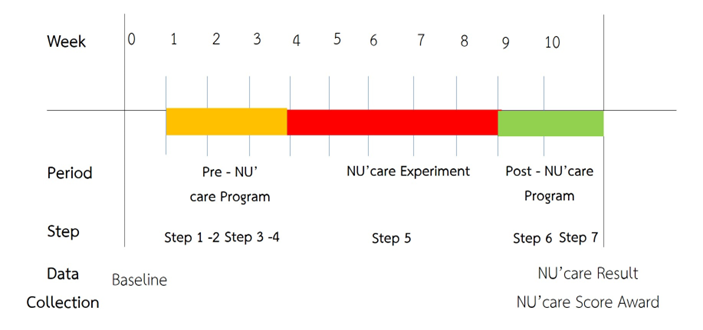
Fig. 1: Execution of the NU'care Occupational Health and Ergonomics Program
2.5 Pre-NU'care Program Phase
Week 1: Step 1
Risk Communication and Participatory Ergonomic Risk Analysis. The results from the baseline phase, collected from ergonomic risk data for each participant during week 1 (refer to outcome measures below) were summarized and communicated to participants to analyze ergonomic problems and jointly identify appropriate preventive measures.
Week 2: Step 2
Educational Activity on Ergonomic Principles. Study participants attended a lecture titled “Prevention and Reduction of Work-Related Discomfort in the Operating Room: Stretch and Strong,” which covered topics including ergonomic working postures and basic self-stress management techniques. The content was adapted from the chapter on MSD surveillance in the Occupational Ergonomics book (Chaiklieng, 2023).
Week 3: Steps 3 and 4
Step 3: Designing Ergonomic Risk Prevention Strategies. Based on the ergonomic risks identified in Step 1, participants and researchers collaboratively designed preventive strategies.
Step 4: Ergonomic Intervention Planning and Goal Setting. Through collaborative decision-making, researchers and participants agreed on specific ergonomic management measures. The consensus included the following: patient handling must involve an assistant for procedures lasting longer than one hour, scheduled breaks should be taken to alleviate physical fatigue, and stretching and eye relaxation exercises, consisting of eight stretching exercises for musculoskeletal relief and five eye relaxation techniques, were to be integrated into the daily routine, . The exercises were scheduled during three key time periods: morning (8:20-8:35 AM), lunch break (12-12:15 PM), and before finishing work (4:15-4:30 PM). To support the implementation and consistency of these activities, the researcher sent reminders and infographic materials (illustrating the eight stretching exercises and five eye techniques) to participants via the LINE OA. Additionally, to encourage compliance and motivation, participants were invited to record their participation in each stretching session through the LINE OA system. Each completed session was worth five points, and those with the highest scores at the end of the intervention period were eligible for rewards, referred to as the NU’care Score Award.
2.6 NU’care Program Experimental Phase
Weeks 4-8
Step 5: Intervention period
Collaborative Implementation of the Program. Participants engaged in the NU’care occupational health ergonomics program for five weeks, following the ergonomic management approach co-designed in Step 4.
2.7 Post-NU’care Program Phase
Week 9: Step 6
Post-Program Follow-Up and Data Collection. Post-intervention ergonomic risk data were collected using the same procedures and tools as in the baseline phase, including online questionnaires and measurements.
Week 10: Step 7
Risk Communication and Summary of Program Outcomes. The findings from the post-intervention data (Step 6) were summarized and shared with participants. Additionally, the individual with the highest NU’care Score (accumulated from stretching sessions) received recognition through the NU’care Score Award.
Educational activities included ergonomic posture training, stretching exercises, eye relaxation techniques, and stress management strategies. Stretching and eye exercises were performed three times daily and reinforced through reminders and self-monitoring using a LINE OA. Participant engagement was encouraged through a point-based reward system (NU’care Score Award).
The LINE OA NU’care Program is a platform that facilitates self-assessment of ergonomic risk. The researchers developed online questionnaires using Google Forms, which were embedded within the LINE OA system. Participants were invited to add the LINE OA account as a friend, complete the self-assessments online, and receive their individual risk analysis via the same platform, as shown in Fig. 2.
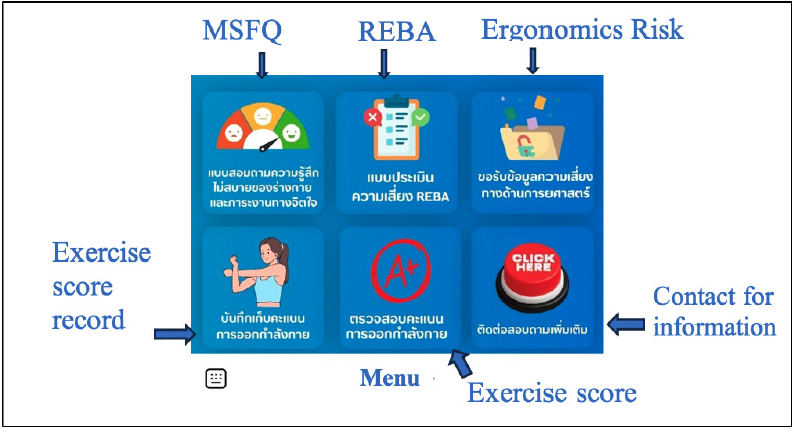
Fig 2. Menu of the NU’care Online System via LINE Official Account
2.8 Instruments and Data Collection
Data were collected through online questionnaires and objective measurements using various instruments, as detailed below.
Musculoskeletal discomfort was assessed using the Musculoskeletal Severity and Frequency Questionnaire (MSFQ) adapted from Chaiklieng (2019). Questions concerning musculoskeletal complaints elicited information on self-reported musculoskeletal complaints during the previous month for 10 body regions: neck, shoulders, upper back, lower back, upper arms, lower arms, wrists and hands, hips and thighs, knees and lower legs, and feet/ankles. Musculoskeletal complaints were defined as "aches, pain, or discomfort caused or made worse by your work." In addition to the affected body part, participants were asked to rate the severity and frequency of these symptoms. The severity of complaints was rated and scored according to four categories (mild (score = 1), moderate (score = 2), severe (score = 3), and very severe (score = 4)), as was the frequency of complaints (1-2 times per week (score = 1), 3-4 times per week (score = 2), once daily (score = 3), and several times per day (score = 4)). Scores for the severity and frequency of complaints were multiplied and classified into five categories based on the MSFQ: Level 0 (MSFQ Score = 0), no discomfort; Level 1 (MSFQ Score 1-2), mild discomfort; Level 2 (MSFQ Score 3-4), moderate discomfort; Level 3 (Score 5-8), severe discomfort; and Level 4 (MSFQ Score 9-16), extremely severe discomfort (Chaiklieng, 2019; Poochada and Chaiklieng et al., 2022).
Ergonomic risk was evaluated using the REBA tool. The REBA tool is used to evaluate working postures, particularly in standing positions. REBA scores were classified into five risk levels [9]: Level 1 (Score = 1), negligible risk; Level 2 (Score 2-3), low risk, may require changes; Level 3 (Score 4-7), medium risk, needs improvement; Level 4 (Score 8-10), high risk, corrective action needed; Level 5 (Score ≥ 11), very high risk, immediate correction required. Risk assessment was conducted for each body region: neck, trunk, legs, upper arm, lower arm, wrist, grip, and applied force. The maximum REBA score (max score) was compared with the composite max REBA score, derived from summing risk scores across all body positions.
Mental workload was measured using the Subjective Workload Index (SWI), which assesses fatigue, stress, workload complexity, and job satisfaction (Chaiklieng et al., 2022). SWI scores were calculated using the following formula:

Scores were interpreted as follows: SWI ≥ 3 indicates a high stress level, and SWI < 3 indicates a low stress level.
This tool consists of eight items assessing mental workload, including: 1) fatigue, 2) risk of hazards or accidents, 3) work-related stress, 4) task difficulty and complexity, 5) work pace, 6) responsibility, 7) job satisfaction, and 8) autonomy at work. Items 1-6 represent negative factors, while items 7-8 represent positive factors. Responses are rated on a visual analog scale from 1 to 10.
Visual fatigue was measured using the critical flicker fusion frequency, with measurements taken both before starting work and after 2 hours of work on the same day. Eye fatigue analysis was assessed by comparing critical fusion frequency (CFF) before and after work. A difference of more than 1 SD of an individual’s pre-work CFF indicated significant fatigue. CFF scores were interpreted as follows [9,10]: 30 ≤ CFF < 40 indicates normal, 40 ≤ CFF < 45 indicates mild visual fatigue, 45 ≤ CFF < 50 indicates moderate visual fatigue, and CFF ≥ 50 indicates severe visual fatigue.
The body posture angles were assessed using a digital inclinometer in accordance with Thai ergonomic standards (Thailand Institute of Occupational Safety and Health, 2021). Body movement angles during work tasks were evaluated using inclinometer data and categorized as either acceptable risk or high risk. This classification followed the ergonomic risk assessment standards for static working postures issued by the Thai Institute for the Promotion of Occupational Safety, Health and Environment (IPOSH).
3. Data Analysis
Descriptive statistics were used to summarize participant characteristics. Wilcoxon signed-rank tests were applied to compare pre- and post-intervention scores for musculoskeletal discomfort, REBA scores, visual fatigue, and posture angles. Paired t-tests were used to analyze mental workload. Statistical significance was set at p < .05. All statistical analyses were performed using STATA version 10. Data were entered into an Excel program (Chaiklieng, 2019) to compute descriptive statistics (mean, standard deviation, percentage), which were used to analyze general and musculoskeletal health-related participant characteristics. Musculoskeletal disorders, levels of discomfort, and ergonomics risk were then automatically analyzed by that platform.
4. Results
Most participants were female (84.21%), consistent with the general distribution of professional nurses in Thailand, and were aged 26-30 years or 41-50 years. Approximately one-third had 5-10 years of OR experience, and the majority reported limited engagement in regular physical exercise (63.16%), while 31.58% exercised 1-3 days per week. Regarding body mass index (BMI), 41.03% were within the normal range, and 23.08% were classified as obese.
Before the intervention, 50% of participants reported severe discomfort, 28.95% reported moderate discomfort, and 15.79% reported extreme discomfort. After the intervention, the severity of discomfort was lower (MSFQ score of 5.16 (after) compared to 6.58 (before), with severe discomfort falling to 7.9%, while moderate discomfort was reported at 26.32%. Conversely, mild discomfort increased to 39.5%, as the MSFQ score reduction (21.58%) is shown in Fig. 3a.\
Following the NU’care program, musculoskeletal pain in the shoulders (reduction from 34.21% to 7.89%), upper back (26.06% to 18.42%), and lower back (34.21% to 5.26%) significantly decreased (p < .05), as shown in Fig. 3b.
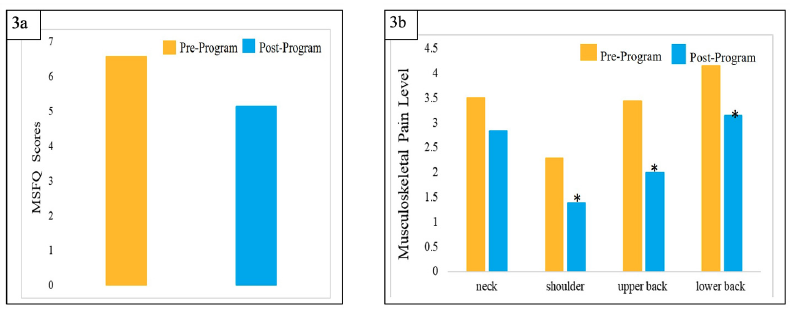
Fig. 3: Comparison of total musculoskeletal discomfort score (3a) and musculoskeletal pain level (3b) before and after the NU'care Occupational Health Ergonomics Program (*p < .05)
Although visual fatigue scores declined after the intervention, the change was not statistically significant (p = .14). REBA results showed significant reductions in applied force, lower arm posture, and coupling scores (p < .05). The reduction in the REBA score was attributed to holding or push-pull-carrying the patient with two nurses after the intervention, compared to only one nurse before the intervention.
Prior to implementing the NU’care occupational health ergonomics program, the largest proportion of OR nurses was categorized as being at high ergonomic risk (44.74%), followed by medium risk (39.47%), and low risk (10.53%). After completing the program, the largest proportion fell into the medium-risk category (42.11%), followed by low-risk (23.68%), and the high-risk category accounted for 21.05%.
Prior to the intervention, the REBA assessment indicated that the average trunk posture score was 2.95 (max score = 5), and the average lower arm posture score was 1.60 (max score = 2). After the program, the trunk posture score remained unchanged at 2.95, while the lower arm posture score decreased to 1.18. Statistical analysis revealed that the mean scores for force, lower arm posture, and coupling significantly decreased after the program, with differences significant at the 0.05 level, as shown in Fig. 4. The percentage of OR nurses in the high-risk group of REBA was reduced by 47.05%.
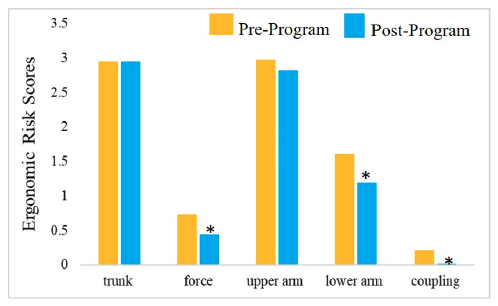
Fig. 4: Comparison of Ergonomic Risk Scores Based on Standing Work Postures (REBA) Before and After the NU'care Occupational Health Ergonomics Program (*p < .05)
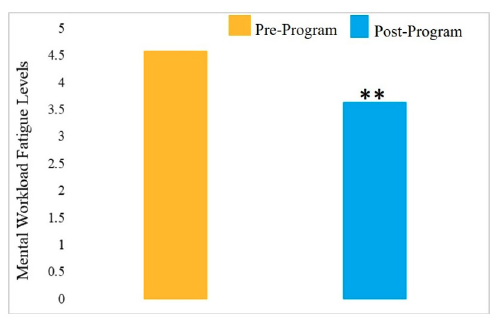
In addition, mental workload levels decreased significantly after the intervention (p < .001). Before the intervention, 92.11% of OR nurses experienced high mental workload fatigue related to stress, and 7.89% experienced low fatigue. After completing the NU’care program, the proportion of those with high stress-related mental workload fatigue decreased to 60.53%, while the proportion with low fatigue increased to 39.47%. The comparison of pre- and post-intervention mental workload fatigue scores showed a statistically significant reduction in average fatigue scores (p < 0.001), as shown in Fig. 5.
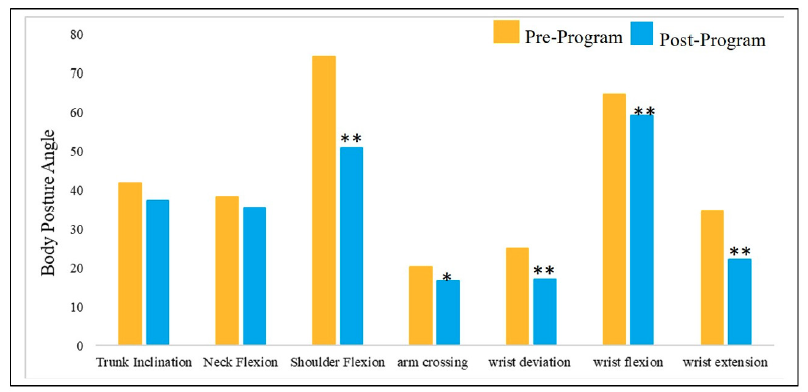
Additionally, body posture analysis revealed significant reductions in shoulder flexion, arm crossing beyond the body midline, wrist deviation, wrist flexion, and wrist extension angles during work tasks (p < .001). Before the intervention, the most frequently observed abnormal body posture angles were arm crossing the midline of the body (89.47%), followed by shoulder flexion (84.21%), and wrist deviation (71.05%). After participating in the program, the proportion of postural angles exceeding standard values decreased as follows: arm crossing the midline reduced to 65.79%, shoulder flexion to 23.68%, and wrist deviation to 21.05%. The program revealed significant reductions in the average angles of shoulder flexion, arm crossing the midline of the body, wrist flexion, wrist deviation, and wrist extension at the 0.05 significance level, as shown in Fig. 6.
The findings indicate that the NU’care participatory ergonomics program effectively reduced musculoskeletal discomfort, ergonomic risk, and mental workload among operating room nurses. The reduction in shoulder and back pain is consistent with previous studies demonstrating the effectiveness of ergonomic education, scheduled breaks, and stretching exercises in preventing MSDs (Sangthong et al., 2020).
It is evident that the program's implementation produced significant decreases in REBA scores in some areas. Risk reduction was achieved for force, coupling, and the upper and lower arms. The only part that did not produce ergonomic risk reduction was the trunk. The trunk ergonomics risk scores could not be reduced in the short period of ergonomics training and awareness of risk postures without the support of engineering controls and design for appropriate standing-station work for the OR nurse. To further reduce the risk of ergonomic issues, a higher level of ergonomic risk treatment is required.
Furthermore, the observed reduction in mental workload aligns with evidence that physical activity and relaxation exercises can mitigate work-related stress by promoting physiological and psychological recovery (Makphin, 2014). Relaxation exercises work by deregulating the sympathetic nervous system and activating the parasympathetic nervous system, thereby promoting physiological relaxation. Additionally, after participating in the NU’care program, participants reported a significant reduction in shoulder, upper back, and lower back pain. This supports the notion that stretching exercises can effectively alleviate musculoskeletal discomfort, potentially leading to improved mental well-being.
Improvements in body posture angles further support the effectiveness of participatory ergonomics, as workers actively applied ergonomic principles learned during the program. These improvements are likely due to the knowledge-sharing activities in the NU’care program, which provided demonstrations of proper working postures and instructed participants on how to achieve ergonomic joint angles in accordance with established best practices. These results reinforce the value of worker involvement in the design and implementation of ergonomic interventions.
A reduction in eye fatigue after participating in the NU’care occupational health ergonomics program may be attributed to scheduled rest breaks throughout the workday and to designated eye-relaxation exercises included in the intervention. The results are consistent with the study by Prasopkittikun and Suranathawatchawong (2024), which found that visual relaxation exercises during work significantly reduced eye fatigue.
This outcome may be attributed to the program’s educational components, which emphasized proper ergonomic postures and movements. The significant decrease in REBA scores suggests improved postural behavior and reduced physical strain, likely resulting from increased ergonomic awareness and application of correct working postures. It is plausible that participants applied the ergonomic principles learned in training to their daily work routines. These findings are consistent with a previous study (Laowanich et al., 2022), which demonstrated that integrating workplace improvement programs with ergonomics education significantly reduced ergonomic risks.
The authors determined that to further reduce the ergonomic risk scores for the trunk, a higher level of ergonomic risk treatment will have to be implemented, as shown in Fig. 7 (Lyon et al., 2022). Engineering controls could be implemented to reduce trunk MSD risk by changes to workplace design, tools, equipment, fixtures, adjustability, and layout.
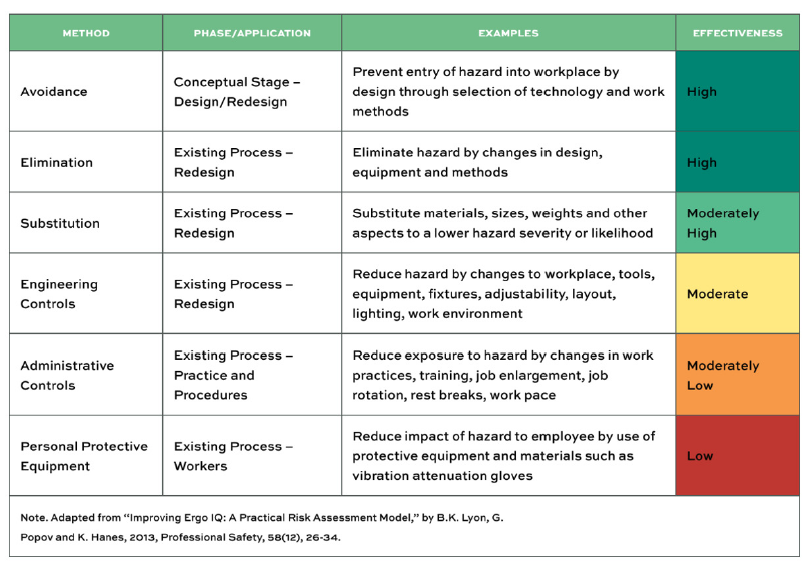
Fig. 7: Hierarchy of Ergonomic Risk Treatment
The overall cost of the NU’care program was 15,000 Thai Bahts (approximately $460 USD). However, the program achieved great productivity improvements. It also resulted in a significant reduction in absenteeism rates. In addition, the organization's reputation improved significantly due to management's commitment and employee involvement.
It could be concluded that risk reduction could lead to improved non-financial benefits, such as employee morale, employee performance, lower turnover rate, and confidence in the ergonomics program.
In addition, the NU’care ergonomic program and implementation of higher levels of controls would reduce absenteeism among operational nurses. Absenteeism is a critical issue driven by high burnout, job dissatisfaction, and physical/mental health issues. It leads to significantly increased workload, low morale, and reduced quality of patient care. NU’care occupational health ergonomics program shows ergonomics risk reduction and improves the work environment.
6. Limitations and Recommendations
This study relied in part on online monitoring via the LINE OA system, which may have limited direct observation of participants' compliance. Additionally, high workloads and operational constraints may have influenced full participation in the program. Future studies should consider longer intervention periods and alternative monitoring strategies to enhance engagement and sustainability.
The authors plan to conduct additional risk assessments and a full financial and non-financial benefits analysis for longer study periods (12-week intervention).
7. Conclusion
The NU’care occupational ergonomics program, grounded in participatory ergonomics principles, significantly reduced musculoskeletal pain, ergonomic risk, awkward working postures, and mental workload among operating room nurses. By actively involving nurses in program design and implementation, the intervention demonstrated strong potential for adaptation across other occupational settings with similar ergonomic challenges. The program could help organizations achieve great productivity improvements. Implementation of such programs leads to improved organizational reputation. To further reduce ergonomic risks, higher levels of control should be implemented. However, a comprehensive financial analysis should be conducted and presented to management to justify the investment. Ergonomics risk reduction contributed to improved non-financial benefits, such as employee morale, employee performance, and confidence in the overall health and safety management system.
References
BLS, Occupational Injuries and Illnesses Resulting in Musculoskeletal Disorders (MSDs), accessed from https://www.bls.gov/iif/factsheets/msds.htm, 2018.
Boonla, S. and Chaiklieng, S., Risk Assessment on Work-Related Musculoskeletal Disorders for Ergonomics Management Program Among Industrial Workers in Textile Export and Small Enterprise, Journal of Safety and Health, vol. 15, pp. 125–143, 2021.
Chaiklieng, S., Health Risk Assessment on Musculoskeletal Disorders Among Potato-Chip Processing Workers, PLOS ONE, vol. 14(11), p. e0224980, 2019. DOI: https://doi.org/10.1371/journal.pone.0224980
Chaiklieng, S., Occupational Ergonomics, Khon Kaen University Printing House, 2023.
Chaiklieng, S., Suggaravetsiri, P., and Andajani, S., Risk Factors of Work-Related Neck and Shoulder Pain Among Emergency Nurses, Asia-Pacific Journal of Science and Technology, vol. 27, 2022.
Copsey, S., Anyfantis, I., and Buckle, P., Carrying Out Participatory Ergonomics, European Agency for Safety and Health at Work, accessed from https://oshwiki.osha.europa.eu/en/themes/carrying-out-participatory-ergonomics, 2025.
Laowanich, N., Meepradit, P., and Yingrattanasuk, T., Applying Participatory Ergonomics to Improve Working Condition for Reducing Shoulder Risk Among Supporting Personnel in a Hospital, Chonburi Province, Journal of Safety and Health, vol. 15, pp. 73–89, 2022.
Lyon, B.K., Popov, G., and Tinker, W., Applied Ergonomics Risk Assessment, SHIFT, vol. 1, no. 2, pp. 2-14, accessed from https://bcspshift.com/shift-issues/volume1-issue2, 2022.
Makphin, H., Stress Management With Physical Therapy, Christian University of Thailand Journal, vol. 20, pp. 51–58, 2014.
Mijatovic, D., Handbook on Participatory Ergonomics, Graphic Designer Suzanne Lourenco, 2008.
Mohanty, A., Kabi, A., and Mohanty, A.P., Health Problem in Healthcare Workers: A Review, Journal of Family Medicine and Primary Care, vol. 8, pp. 2568–2572, 2019. DOI: https://doi.org/10.4103/jfmpc.jfmpc_431_19
Poochada, W. and Chaiklieng, S., Self-Reported Musculoskeletal Disorders Questionnaire For Agriculturists: An Online Self-Assessment Tool Development, PLoS One, vol. 17(12), pp. e0277548, 2022.
Prasopkittikun, T. and Suranartwatchawong, S., Effect of Health Promotion Program Using Eye Exercise on Eye Strain Among Computer Users, Nakhonphanom Hospital Journal, vol. 11, p. E273245, 2024.
Sangthong, N., Sangthong, K., and Sangthong, M., Effects of Health Promotion Program on Low Back Pain Preventive Behavior of Operative Nurses at a University Hospital, Thai Journal of Health Education, vol. 43, pp. 1–11, 2020.
Thailand Institute of Occupational Safety and Health, Ergonomics Standard on Risk Assessment of Static Working Postures, accessed from https://www.tosh.or.th/index.php/media-relations/e-book/item/976-2021-09-28-01-41-18, 2021.
Watkhoksoong, S. and Chaiklieng, S., NU’care: A Participatory Occupational Ergonomics Program for Operating Room Nurses, Safety & Environment Review, vol. 8, pp. 11–25.
Watkhoksoong, S. and Chaiklieng, S., The Matrix of Risk Assessment on Work-Related Musculoskeletal Disorders of Personnel and Illumination in Operating Room of Chaiyaphum Hospital, Safety & Environment Review, vol. 7, pp. 19–31. 2024.
World Health Organization, Musculoskeletal Conditions, accessed from https://www.who.int/news-room/fact-sheets/detail/musculoskeletal-conditions, 2019.